
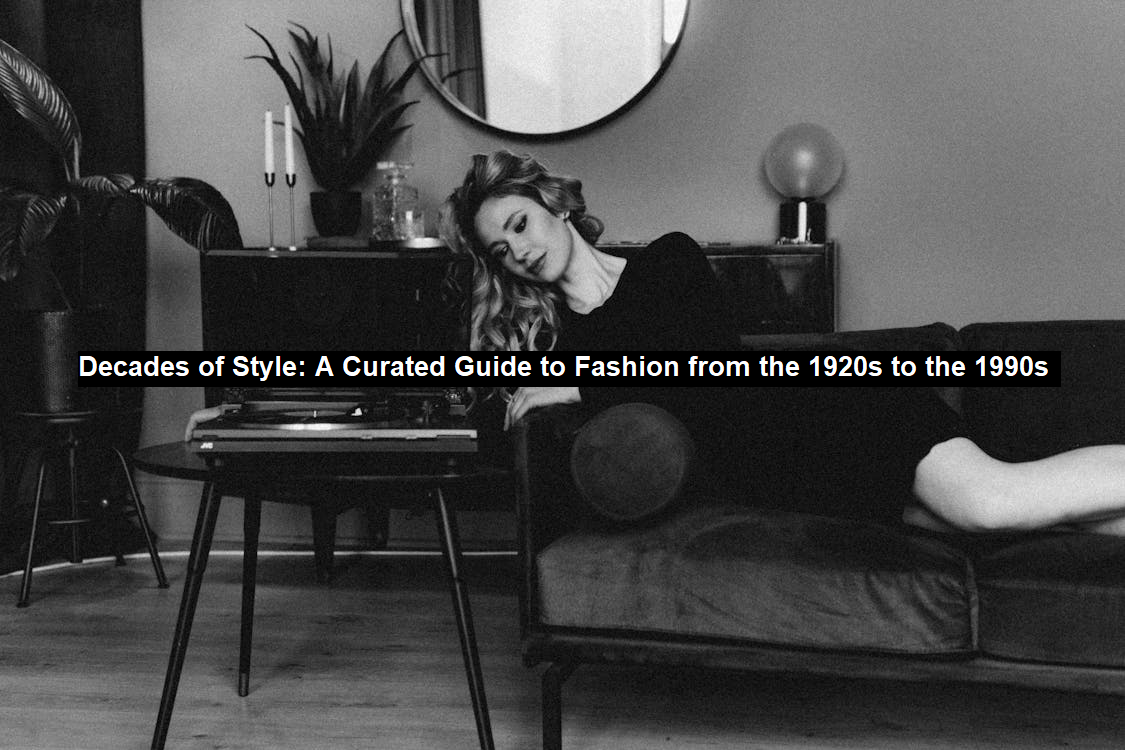
From the glamour of the 1920s to the laid back style of the 1990s, fashion went through several major shifts during the 7 decades in between. Explore iconic trends from every decade to develop your own personal sense of style.
Fashion of the 1920s: Elegance and Freedom
Freedom, both in fashion and in life, was a hallmark of the 20s. Trends reflected this, with women moving away from the restrictiveness of corsets. Instead, they embraced dresses with more androgynous cuts. The iconic flapper dress is the most notable fashion trend of the decade. While they had a simple, loose silhouette, flapper dresses also featured fringe, sequins, and feathers for a chic vibe. Men’s fashion also loosened up a bit with formal suits being traded in for wider leg trousers and two-tone leather loafers.
Fashion of the 1930s: Hollywood Luxury
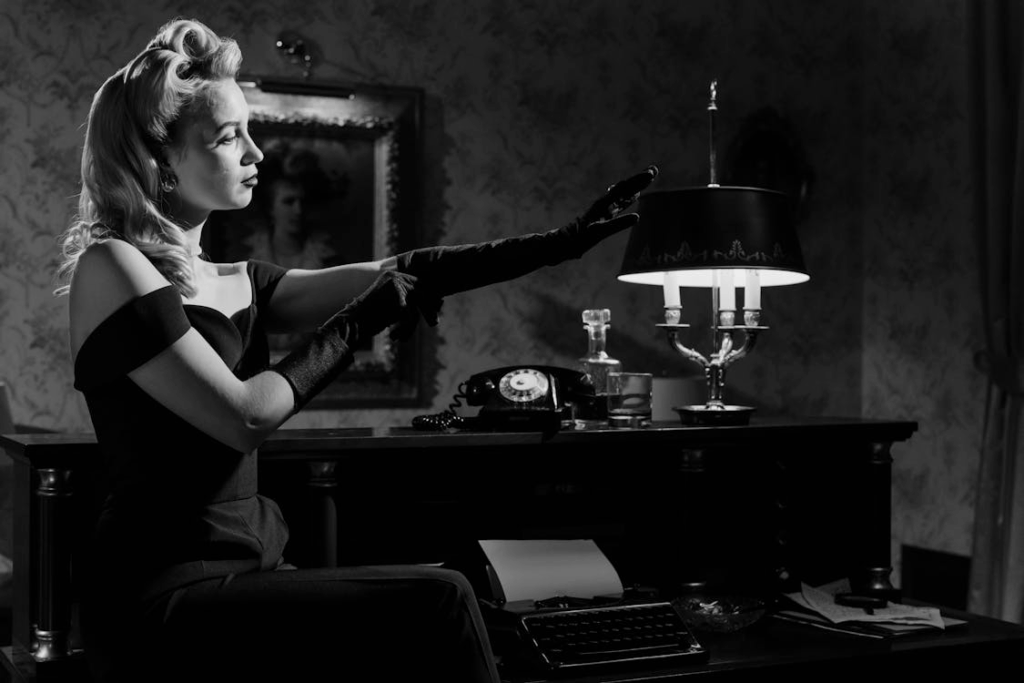
In the wake of the Great Depression, fashion became an escape. The first generation influenced by Hollywood, dresses became form fitting and sophisticated. Luxurious fabrics such as silk, velvet, and satin were popular choices. Accessories included jewelry, silk gloves, and hats. Geometric patterns inspired by the Art Deco movement also became a fashion influence. Men’s clothing trends embraced high-waisted trousers and tailored suits which exuded masculine refinement.
Fashion of the 1940s: Utility with Style
During the 40s, much of the western world found itself in the throes of WWII. Rations affected fabric availability. This influenced the fashion industry, with dresses becoming simpler, with straight skirts and fitted waists, to accentuate a feminine silhouette. Materials were made for both fashion and utility, with durable fabrics being the most widely available.
Simple accessories, such as jewelry and vibrant lipstick, added a touch of glam to ensembles.
While dresses had fewer adornments, men’s clothing continued to remain more formal. Double breasted suits, leather shoes, and wide brimmed fedoras were all the rage in men’s fashion.
Read: Top 5 Fendi Women’s Watches That Redefine Luxury Timepieces
Fashion of the 1950s: Peak Hollywood Glam
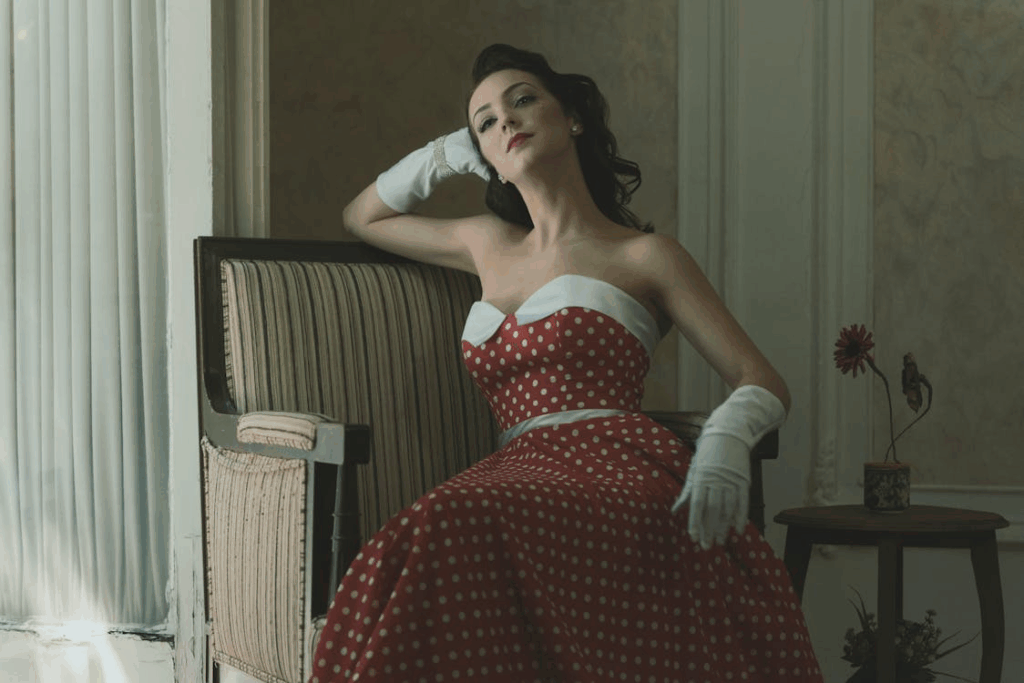
After the war, a newfound optimism swept the world. Hollywood fashion icons like Marilyn Monroe brought opulence and glamour back to the forefront. Trends included full skirted dresses with petticoats to add volume. This was combined with a nipped waist for a sultry hourglass figure.
Rock and roll also made an impression during this decade, with jeans and leather jackets becoming a common trend among teens. Men’s fashion continued to exude refinement, with common looks being pleated trousers with button jackets.
Fashion of the 1960s: Fun, Playful, and Youthful
The 1960s were a time where fashion saw major upheaval. Younger adults had more income and buying power than ever before, so fashion catered to this growing demographic. Social movements were also a central influence, with clothing being used as a symbol of rebellion, freedom of expression, and youthful optimism.
Women’s fashion became more colorful, with bold patterns and bright hues taking center stage. Tights became widely available, allowing for higher hemlines. Mini-skirts and shift dresses also made their debut, making a lasting impression on the fashion industry that continues to this day. Men’s fashion also saw changes, with suits becoming more slim in fit with smaller lapels and a wider array of colors.
Fashion of the 1970s: Boho and Disco
The 1970s built upon the freedom and diversity begun in the 60s. Disco took over the airways, and fashion soon followed. The movement was known for opulence and elegance. Bright colors, sequins, and glistening fabrics were everywhere. Women’s fashion also saw the introduction of short shorts and “Daisy Duke” cutoffs.
Men’s fashion embraced brighter colors and form fitting ensembles. The 1970s also began the blurring of gender fashion rules, with unisex styles becoming more common. This included tight fitting bell-bottom jeans and trousers, bold printed button ups, and platform shoes.
Fashion of the 1980s: Powerful Flamboyance
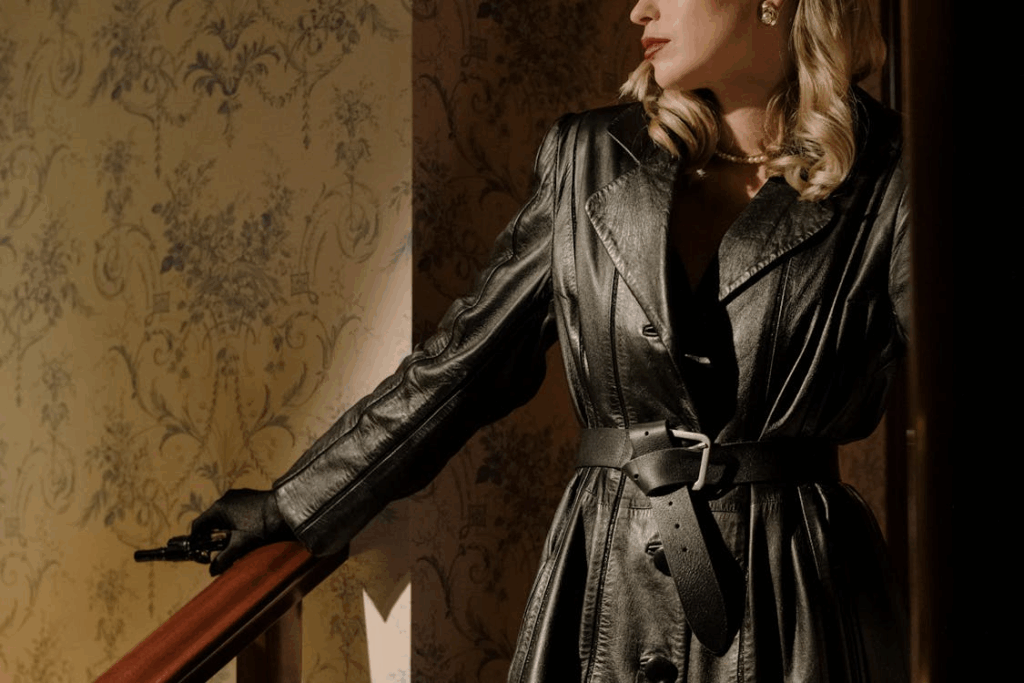
Women entered the workforce in higher numbers than ever during the 80s. To accommodate, fashion trends erred toward “power suits,” which featured shoulder pads, bold colors, and oversized silhouettes. Younger generations embraced neon hues, over the top patterns, tight fitting jeans, high top sneakers, and brightly colored fashion accessories. Sparkles, jewels, and glitter were also common. It was a time for asserting one’s power and individuality, sometimes in excess.
Fashion of the 90s: High Fashion Grunge
The 90s ushered in an era of laid back style that embraced authenticity and comfort while rejecting the over-the-top flamboyance of the 80s. Oversized shirts, baggy jeans, ripped denim, and plaid jackets were hallmarks of the time. Casual style was popular among every age group.
Even so, high fashion found its place with a simpler vibe than previous decades. Designers introduced sleek silhouettes, neutral colors, and understated glamour with fewer adornments.
Men’s styles also embraced the laid back and casual vibes that defined the 90s fashion scene. Common pieces include oversized shirts and jeans, cargo pants, plaid button-ups, and sneakers.
The Past Meets the Present
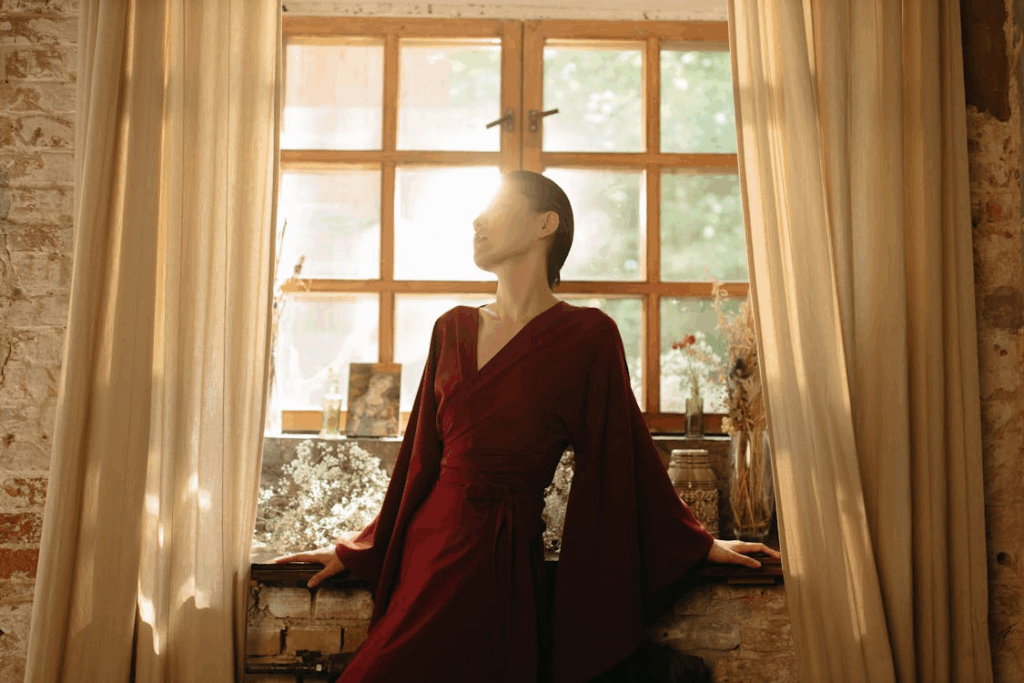
Today’s fashion trends borrow from most of the previous decades, embracing individuality like no time before. To make any look your own:
Choose fabrics and cuts that feel good on your body, even if they don’t fit common “fashion rules.” Pair vintage items with modern pieces like full figure bras, shapewear, and moisture wicking fabrics to make them more comfortable. Mix and match on-trend items with vintage accessories to create your own vibe. Have fun with fashion, now, and in the future.

